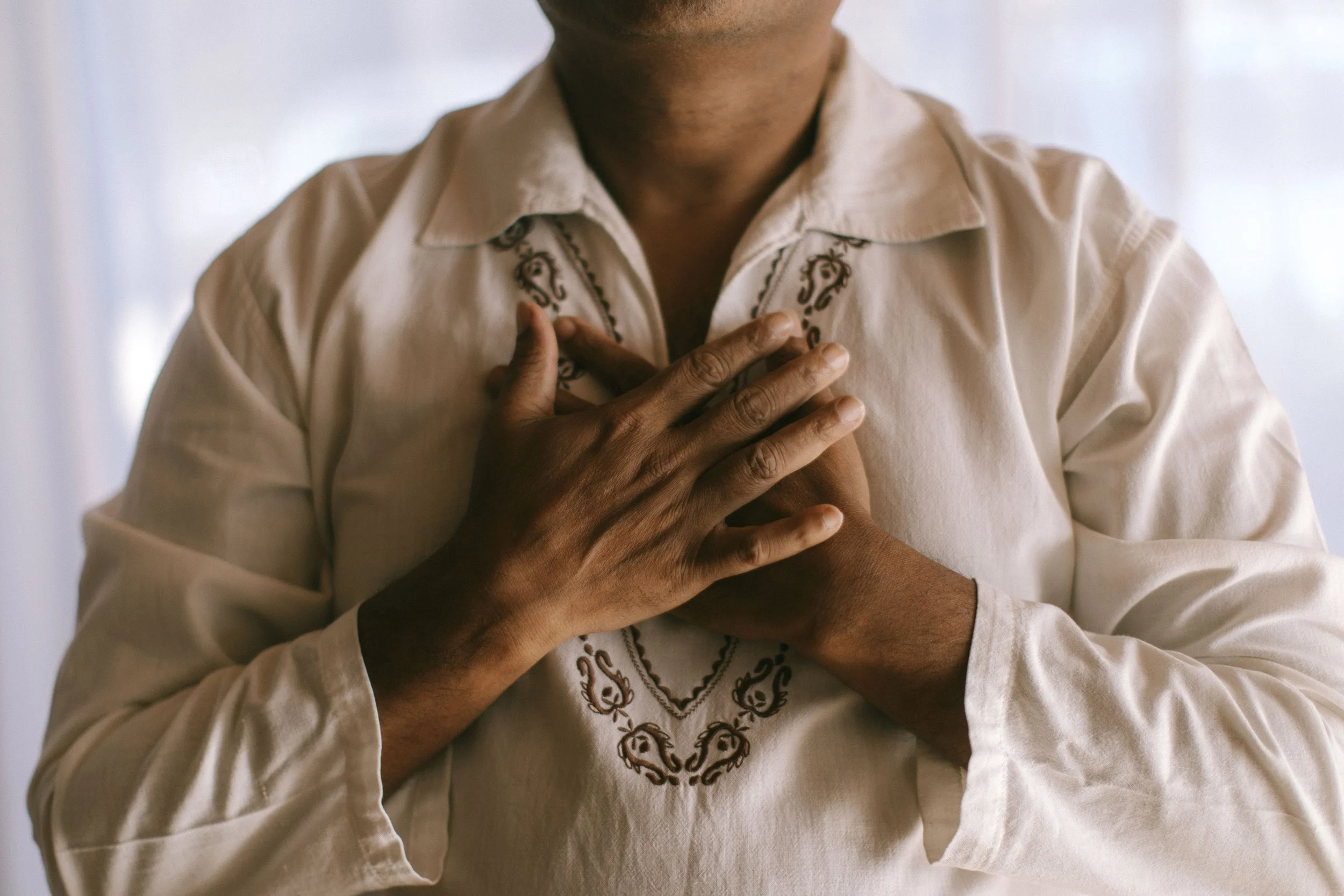
What is Qi Gong & How will it help me in MY everyday life?
Over the last couple of years, I’ve noticed more and more people searching for ways to slow down, reduce stress, regulate the nervous system and simply feel better in everyday life.
And honestly, I think that’s exactly why practices like Qi Gong are becoming so popular at Studio Paradise on the Mornington Peninsula. We’re always looking to share practises that help people feel more connected — not just physically, but mentally, emotionally and energetically too.
And Qi Gong is one of the most beautiful and accessible practises I’ve come across.
If you’ve ever walked past one of our classes and wondered:
“What exactly is Qi Gong?”
“How do you even pronounce it?”
“Is it like Yoga or Tai Chi?”
“Can anybody do it?”
“And how is moving slowly actually going to help me?”
…you’re definitely not alone!
So I thought I’d put together a simple guide to explain what Qi Gong is, why we love it so much at Studio Paradise, and how it can genuinely help you in everyday life.
Firstly… How Do You Pronounce Qi Gong?
Qi Gong is pronounced: “Chee Gong”
The word itself comes from two Chinese words:
Qi (Chi) = life force energy
Gong = practice or cultivation
So Qi Gong essentially means:
“The practise of cultivating life force energy.”
Qi Gong is an ancient Chinese wellbeing practice that combines:
mindful movement
breathwork
meditation
posture
mindfulness
energy awareness
It’s been practised for thousands of years within Chinese medicine and Taoist traditions to support vitality, health and overall wellbeing.
And while it may look simple from the outside, it can have a profoundly calming and restorative effect on the body and mind.
Why I Think Qi Gong Is So Important In Modern Life
The reality is… most of us are stressed!
We spend so much of our lives:
rushing
overthinking
sitting too much
looking at screens
running on adrenaline
constantly stimulating the nervous system
Even when we’re trying to relax, we’re often still mentally switched on.
And this is where Qi Gong feels so different.
Rather than forcing the body… it teaches us to soften.
Rather than pushing harder… it teaches us to slow down.
Rather than depleting energy… it helps cultivate it.
One of the things I love most about Qi Gong is that it reminds us that wellbeing doesn’t always need to come through intensity.
Sometimes the most powerful thing we can do is breathe deeply, move mindfully and allow the body to release tension naturally.
The Best Part? Qi Gong is accessible for EVERYBODY
This is one of the biggest reasons we love sharing Qi Gong at Studio Paradise.
You do NOT need to:
be flexible
be fit
have Yoga experience
push your body hard
force yourself into uncomfortable positions
“keep up” with anyone else
Qi Gong is all about slow, controlled and mindful movement.
It’s gentle on the body, low impact and deeply grounding.
And because the movements are simple and repetitive, many people actually find it easier to begin than meditation.
You can just arrive exactly as you are.
Tired.
Stressed.
Stiff.
Burnt out.
Recovering.
Complete beginner.
Qi Gong meets you there.
And over time, the practice gently helps soften tension in the body and allows energy to flow more freely.
So… How Will Qi Gong Actually Help Me?
This is the real magic of the practice.
Qi Gong isn’t just about what happens during class.
Over time, it starts to influence the way you:
breathe
move
manage stress
regulate emotions
hold tension in the body
respond to everyday life
One of the things we hear all the time after class is:
“I didn’t realise how much tension I was holding until I slowed down.”
And I think that says everything.
Many people leave class feeling:
calmer
lighter
more grounded
mentally clearer
physically softer
emotionally balanced
And perhaps most importantly…
Qi Gong teaches us how to slow down and reconnect with ourselves again.
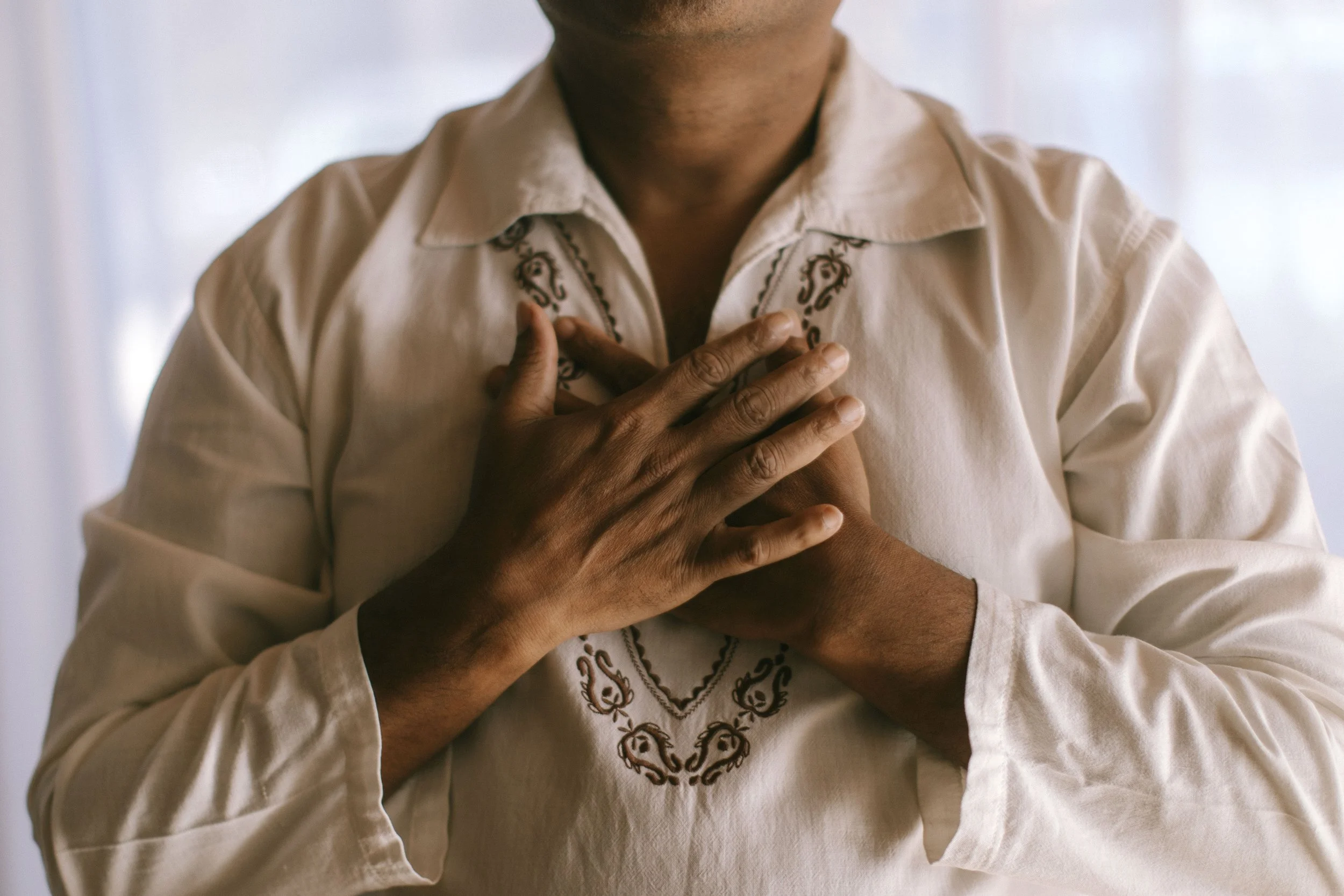
The Power Of Movement, Breath & Mindfulness
One of the reasons Qi Gong feels so effective is because it combines three incredibly powerful wellbeing tools into one practice:
Gentle Movement
Our bodies are designed to move.
But movement doesn’t always need to be intense to be beneficial.
The slow flowing movements of Qi Gong help:
mobilise the joints
improve circulation
release tension
improve posture and balance
increase body awareness
And because the movements are mindful and controlled, many people leave class feeling energised rather than exhausted.
Breathwork
Most of us spend the day breathing shallowly without even realising it.
Qi Gong brings awareness back to the breath.
Slow rhythmic breathing helps calm the nervous system and move the body out of “fight or flight” mode into a more relaxed and restorative state.
And honestly, I think most of us could use a little more of that.
Mindfulness
Qi Gong is often described as a “moving meditation.”
Instead of getting caught up in stress and mental noise, you become focused on:
movement
breath
sensation
awareness
For many people, it becomes one of the few moments in the week where they truly slow down and reconnect with themselves.
Open Sky Qi Gong At Studio Paradise
At Studio Paradise, we practise Open Sky Qi Gong with our wonderful teacher Adrian, who has been teaching and sharing the practice for over 10 years.
Adrian brings such a calm, welcoming and grounded presence to class, and one of the things I love most is how accessible he makes the practice feel for everybody.
Whether it’s your first ever class or you’ve been exploring mindful movement practices for years, Adrian has this beautiful way of helping people feel comfortable enough to simply slow down, breathe and experience the practice for themselves.
And honestly, that’s what Qi Gong is all about.
Not performing. Not achieving. Not competing.
Just moving. Breathing. Softening. Allowing.
And For All Our Die-Hard Yogis…
You are going to LOVE Qi Gong.
As Adrian always says, Qi Gong is often described as: “The Yoga Of China.”
While Yoga and Qi Gong come from different traditions, they share so many beautiful similarities:
breath awareness
mindful movement
meditation
energetic awareness
nervous system regulation
presence and flow
Where Yoga works with the concept of Prana (life force energy), Qi Gong works with Qi.
Both practices are ultimately about creating greater harmony and flow throughout the body and mind.
And honestly, adding a Qi Gong class into your weekly routine will completely transform your Yoga practice.
Many yogis find that Qi Gong helps them:
move more fluidly
soften unnecessary tension
deepen breath awareness
better understand energetic flow
cultivate greater presence
feel more grounded and connected
Less forcing. More allowing.
Less striving. More flowing.
Over time, many students notice they move through not just their Yoga practice, but everyday life, with greater softness, awareness and ease.
Why We Love Qi Gong At Studio Paradise
At Studio Paradise, we truly believe wellbeing should be accessible for everybody.
Not intimidating.
Not performative.
Not about pushing harder all the time.
Qi Gong is one of those rare practices that meets people exactly where they are.
And in a world where so many people feel overwhelmed, overstimulated and disconnected from themselves, I honestly think practices like this are more important than ever.
Especially here on the Mornington Peninsula, where we’re surrounded by beautiful coastline and nature, Qi Gong feels like such a natural extension of that slower, more grounded way of living.
It’s movement.
It’s mindfulness.
It’s breathwork.
It’s nervous system regulation.
It’s energy awareness.
But more than anything…
It’s simply an opportunity to slow down and reconnect with yourself again.
Experience Qi Gong On The Mornington Peninsula
If you’ve been looking for:
Qi Gong on the Mornington Peninsula
beginner-friendly wellbeing classes
mindful movement practices
nervous system support
stress relief and relaxation
gentle movement classes
…we’d absolutely love to welcome you into the Studio Paradise community!
Our Open Sky Qi Gong classes are suitable for everybody — absolutely no experience necessary.
Just come exactly as you are and we’ll take care of the rest.
Much love, Sam
Chief Enjoyment Officer
Studio Paradise
Frequently Asked Questions About Qi Gong
Is Qi Gong good for beginners?
Absolutely. Qi Gong is one of the most beginner-friendly wellbeing practices because the movements are slow, gentle and low impact. You don’t need any experience, flexibility or fitness level to begin.
Is Qi Gong the same as Tai Chi?
Qi Gong and Tai Chi share similarities and both come from Chinese traditions, however Qi Gong is generally simpler and more focused on breath, mindfulness and energy flow.
Can Qi Gong help with stress and anxiety?
Many people practise Qi Gong to help calm the nervous system, reduce stress and create a greater sense of emotional balance and relaxation.
How often should I practise Qi Gong?
Even one class per week can have benefits, however like most wellbeing practices, consistency is key. Many people notice the biggest changes when they make it part of their regular weekly wellbeing routine.
Is Qi Gong good for Yoga students?
Definitely. Many yogis find that adding Qi Gong into their routine helps improve breath awareness, energetic flow, mindfulness and softness within their Yoga practice.
When Are Qi Gong Classes On At Studio Paradise?
We currently offer Qi Gong classes at Studio Paradise St Andrews Beach,on the Mornington Peninsula at the following times:
Tuesday — 10:45am–11:45am
Friday — 10:30am–11:30am
Our classes are suitable for everybody — whether you’re completely new to Qi Gong or already have experience with Yoga, Tai Chi, meditation or mindful movement practices.
We always recommend booking ahead via our online class schedule as spaces can fill quickly.